
Tile Flooring Installation in Brunswick, GA | Porcelain and Natural Stone Experts
Tile is the most durable flooring we install and the least affected by moisture of any material. That combination matters enormously in a market where humidity is constant and flooding is periodic. We install porcelain, ceramic, and natural stone throughout Brunswick and the islands.
Porcelain accounts for most of that work, and the reason is a measurable number. Porcelain is fired denser than ceramic and absorbs under 0.5 percent of its weight in water. Ceramic absorbs considerably more, which rules it out of a great many coastal locations.
Substrate preparation is where tile installations either succeed or fail outright. Tile is rigid and completely unforgiving, so any movement underneath transfers directly into the finished surface. That movement appears as cracked grout lines or fractured tiles within a year or two.
We hold flatness to 1/8 inch over 10 feet, which is tighter than any other floor we install. Deflection matters just as much as flatness on an elevated pier and beam property. Joist spacing and subfloor thickness both have to support a rigid finish properly.
We install an uncoupling membrane or cement backer board rather than tiling onto plywood decking. That layer absorbs differential movement between a shifting wood subfloor and a rigid tile field. It is the single most commonly omitted step in residential tile work anywhere.
Layout gets planned carefully before any mortar is mixed on site. We dry-lay the field, center the pattern on the room's main sightline, and place cuts where they read least. Nobody notices a well placed cut, and everybody notices a sliver at a doorway.
Licensed & Insured · 50+ years experience
Request A Free Quote!
Tell us what you need. We reply the same working day.
Porcelain, ceramic, and natural stone. Free measure across the Golden Isles.
912-493-5462Why We are the Best flooring contractor in Brunswick, GA
Selecting a flooring contractor comes down to who actually shows up and who stands behind the installation. We have installed flooring throughout the Golden Isles for over 50 years, across the islands and the mainland. The identical crew handles your project from the initial measurement through to the final walkthrough.
Subcontracted labor is where most flooring complaints originate, so we simply do not operate that way. Coastal installation is unforgiving, and a crew unfamiliar with elevated construction will miss the indications. Keeping one crew accountable prevents that entirely, and it costs you nothing additional.
- Over 50 years installing flooring and cabinetry across residential and commercial properties on this coast
- Waterproof rigid core plank, porcelain tile, engineered wood, solid hardwood, laminate, and broadloom carpet
- Elevated pier and beam experience, including crawl space assessment and vapor retarder inspection before we quote
- Marine grade fasteners, transitions, and trim specified so salt air does not corrode the hardware holding your floor down
- Acclimation windows extended well beyond the manufacturer minimum, because coastal humidity rarely drops the way it does inland
- Rental turnover scheduling that works around your booking calendar, with wear layers specified for the traffic those properties actually carry
Get a written price for your tile flooring project
Send us the rooms and the approximate square footage and we will schedule a free in-home measure. You receive one written figure covering material, labor, subfloor preparation, and removal of the existing floor. That number does not move afterward unless demolition exposes damage nobody could reasonably have anticipated.
- Free in-home measure with no obligation
- Licensed & Insured throughout Georgia
- 50+ years installing across the Golden Isles
Request A Free Quote!
Tell us what you need. We reply the same working day.
Types of Tile We Install
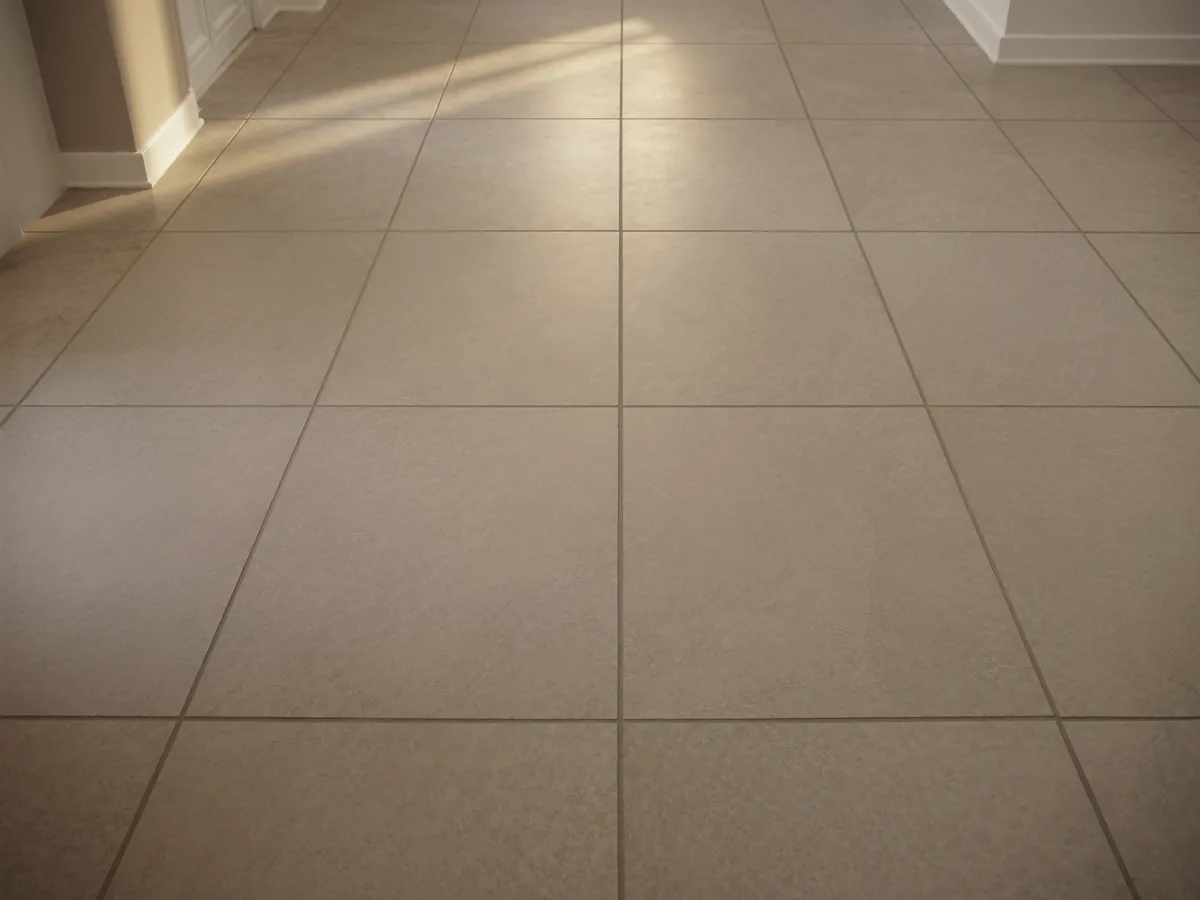
Material choice governs cost, maintenance, and where the tile can reasonably be installed. The differences between these categories are considerably larger than a showroom display suggests. Coastal humidity and salt exposure widen those differences further still.
Porcelain Tile
Porcelain is fired at higher temperature than ceramic and absorbs under 0.5 percent of its weight in water. It handles bathrooms, entryways, and any ground floor space that sees standing water. No additional sealing or special treatment is required for that performance.
Through-body porcelain carries its color through the full thickness of the tile. A chip therefore does not expose a contrasting layer underneath, which is what makes damage obvious. It costs more than glazed porcelain and we specify it for genuinely heavy traffic.
Ceramic Tile
Ceramic is softer, lighter, and cheaper than porcelain, and it cuts considerably more easily on site. That suits wall applications and light residential floors where the budget genuinely governs. Over a twenty year horizon the durability difference becomes noticeable in a busy household.
It absorbs appreciably more water than porcelain does, which constrains where it belongs here. We keep it away from entryways and from rooms with any flooding history whatsoever. In those positions vinyl plank is the safer and usually cheaper specification.
Natural Stone
Marble, travertine, slate, and limestone each behave differently, and none behaves like porcelain does. Stone is porous, so it needs sealing on installation and resealing periodically thereafter. How often depends on the traffic and the moisture that particular room actually carries.
Marble and limestone etch on contact with anything acidic, which rules them out of working kitchens. Slate handles moisture well and suits a coastal entryway particularly nicely. We are honest about the ongoing maintenance before you commit to any of them.
Large Format and Patterned Layouts
Tiles above 15 inches on any edge count as large format and demand a flatter substrate. A rigid tile spanning even a small dip will eventually crack across its width. We hold 1/8 inch over 10 feet and back-butter every single piece.
Herringbone, basketweave, and hexagon layouts increase labor by roughly 25 to 40 percent. That comes from additional cutting, additional waste, and considerably slower setting throughout the field. They are genuinely worth it in an entryway where the floor is properly on display.
Our Tile Installation Process
Tile is the least forgiving floor we install anywhere, and shortcuts underneath surface within two years. The sequence below is not negotiable on our projects and it is where our pricing goes. Nothing in it can be compressed without consequences appearing later.
Deflection and Substrate Assessment
We lift the existing floor, inspect the decking underneath, and refasten anything that has worked loose. Deflection is the genuine enemy on an elevated property with original framing. We confirm that joist spacing and subfloor condition support a rigid finish before quoting.
Older properties downtown frequently have undersized framing by any modern standard. Where the structure cannot carry tile we say so plainly rather than installing it anyway. Occasionally the honest recommendation is a resilient floor instead, which is a smaller sale.
Membrane, Layout, and Setting
We install an uncoupling membrane or cement backer board across the entire field first. That layer isolates the tile from subfloor movement and prevents the hairline grout cracking most people accept. It is why our installations do not develop that pattern in year two.
Tile is set into a notched bed of modified thin-set mortar, back-buttered on larger formats. We aim for 95 percent mortar contact in wet areas, which prevents hollow spots entirely. Layout is decided on the floor, because coastal rooms are rarely genuinely square.
Grouting, Sealing, and Curing
Grout goes in after the mortar has properly cured, which is typically 24 hours later. We use unsanded grout for joints under 1/8 inch and sanded grout above that. The incorrect choice either cracks apart or scratches the face of the tile.
Cementitious grout gets sealed once cured, and we recommend resealing every one to two years. Salt air and humidity shorten that interval compared with an inland property. Epoxy grout skips sealing entirely and suits commercial kitchens where staining would otherwise be permanent.
Why Golden Isles Flooring Is the Best Tile Flooring Installation Expert
Local Expertise in Brunswick, GA
Tile is the correct answer considerably more often here than inland, because humidity and flooding eliminate alternatives. We have installed across Brunswick and the islands for over 50 years. That includes elevated properties where deflection governs and downtown buildings where every box is carried by hand.
Professional Installers
Tile rewards patience and punishes speed more reliably than any other flooring we install. Correct mortar coverage, honest layout, and a properly installed uncoupling membrane all matter enormously. They separate a floor lasting thirty years from one that cracks within three.
Commitment to Customer Satisfaction
You receive one written figure covering material, labor, membrane, substrate preparation, and disposal. We tell you before starting whether your subfloor genuinely supports tile at all. Discovering that halfway through demolition helps nobody, so we establish it at the measure instead.
Frequently Asked Questions About Tile Flooring Installation
Tile generally runs 10 to 20 dollars per square foot installed, covering material, labor, uncoupling membrane, substrate preparation, and disposal. Layout drives much of that range, since herringbone and hexagon patterns add 25 to 40 percent in labor and waste. Natural stone costs more than porcelain and needs sealing. Substrate preparation moves the figure further where deflection needs correcting. The in-home measure is free.
Water absorption is the technical difference. Porcelain is fired denser and absorbs under 0.5 percent of its weight in water, while ceramic absorbs considerably more. That makes porcelain suitable for bathrooms, entryways, and any ground floor with a damp history. Ceramic is softer, cheaper, and easier to cut, which suits walls and light residential floors. On this coast we specify porcelain most of the time.
Yes, provided the framing supports it, and that is the first thing we check. An elevated pier and beam house flexes more than a slab does, and tile is rigid and unforgiving. We assess joist spacing, span, and subfloor thickness before quoting, then install an uncoupling membrane across the field. Where the structure genuinely cannot carry tile we recommend a resilient floor instead and say why.
Tile takes longer than any other floor because of cure times. A standard bathroom runs two to three days, and a 500 square foot area typically takes three to four. Setting happens on day one, grout follows after 24 hours of mortar cure, and sealing waits a further 24 to 72 hours. That sequence is why tile rarely fits inside a rental turnover window.
Every one to two years for cementitious grout in a wet area, and that interval is shorter here than inland. Constant humidity and salt exposure both work against a sealer. Epoxy grout avoids the question entirely because it does not need sealing at all, which is why we specify it in commercial kitchens and in rental bathrooms where nobody is going to maintain it.
Sometimes, and it depends entirely on what is underneath. Tile can go over sound existing tile if the substrate is rigid enough to carry the additional weight and height. It cannot go over cushioned vinyl, floating floors, or any surface that moves. We assess deflection first, because a substrate that flexes will crack grout lines regardless of how well the tile is set.
Planning a tile floor? Let us check the structure carries it.
912-493-5462